Description
Overview
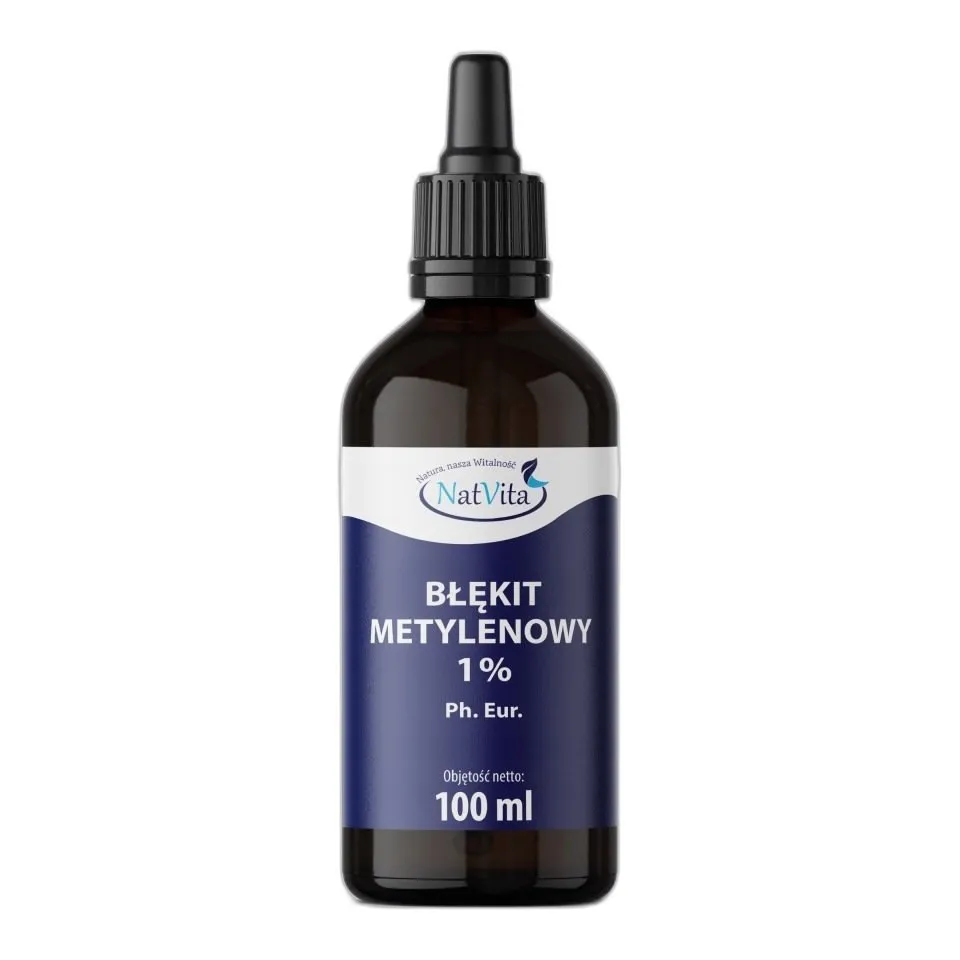
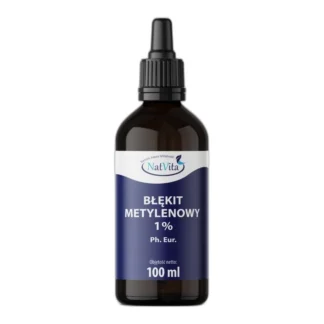
Methylene Blue 1% Solution is a clear, dark blue liquid. Its chemical formula is C16H18ClN3S, with a molar mass of 319.85 g/mol. CAS number 61-73-4. Supplied as a 1% (w/v) aqueous solution. Meets Ph. Eur. quality standards. Appears as a homogeneous liquid with minimal particulates. Used in scientific settings for staining biological samples and as an oxidation-reduction indicator.
Applications
In histology, it stains cell nuclei, making them visible under light microscopes. Frequently paired with eosin in tissue analysis. Applied in microbiology to differentiate live and dead cells. Useful in redox titrations due to its reversible color change. Employed in electrochemical studies involving electron transfer. Used in water testing to assess biochemical oxygen demand. Applied in dye degradation experiments. Also serves as a model compound in photodynamic research.
Specifications
Form: Liquid solution. Concentration: 10 g/L. Purity: ≥98%. Appearance: Deep blue, clear. pH: 5.5–7.5. Stable when stored properly. Store in amber glass, protected from light and heat. Compatible with standard lab glassware and polyethylene containers. Avoid contact with strong oxidizers or reducing agents.
Safety
Harmful if swallowed. Causes mild skin and eye irritation. GHS pictograms include exclamation mark. H302, H315, H319, H335. P261, P280, P305+P351+P338. Use gloves, goggles, and lab coat. Work in well-ventilated areas. Keep away from children and food sources. Refer to SDS before use.
FAQ
Can this solution be diluted?
Yes. Dilute with distilled water to desired concentration. Confirm compatibility with intended use.
Is it suitable for electrophoresis?
Not typically. Primarily used for staining, not gel applications.
How long does it last?
Up to 24 months unopened. Discard if cloudy or precipitated.
Can it stain bacteria?
Yes. Often used in Gram staining workflows as a counterstain.
Is it light-sensitive?
Yes. Always store in amber bottles away from direct light.
Reviews
There are no reviews yet.